Researchable in the spotlight within the Growing with Green Steel programme: how digital twins help simulate and optimise the production of green steel.
In brief
- Researchable is a partner in Theme IV (Use) of the eight-year 'Growing with Green Steel' (GGS) programme, which aims to reduce the steel industry's CO2 emissions to zero and make steel fully circular.
- The core of Researchable's contribution is building digital twins that simulate, analyse and optimise production processes in real time using machine learning and AI-driven predictive models.
- Researchable is involved in Demonstrator DEM IV.1 (stainless steel for consumer products) and expects to contribute to DEM IV.3 (sustainable steel for ball bearings) and the Knowledge Development Project IV.3.
- With digital twins, Researchable targets better process efficiency, lower energy consumption through virtual testing, less waste and faster adoption of green steel production.

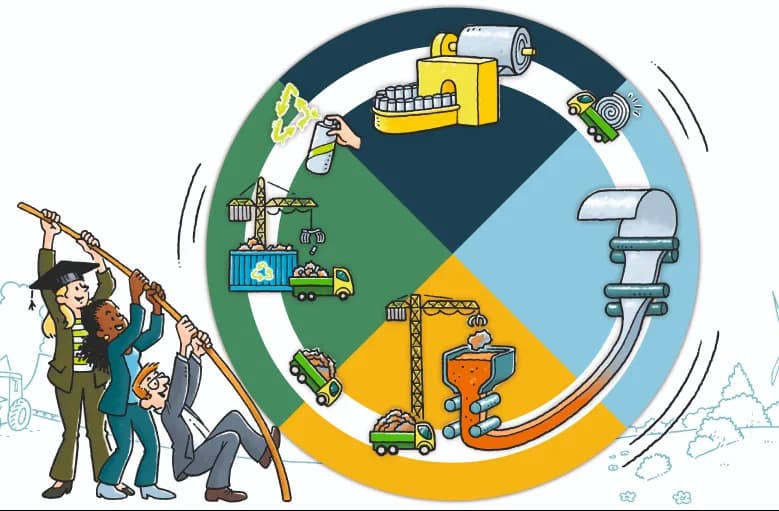
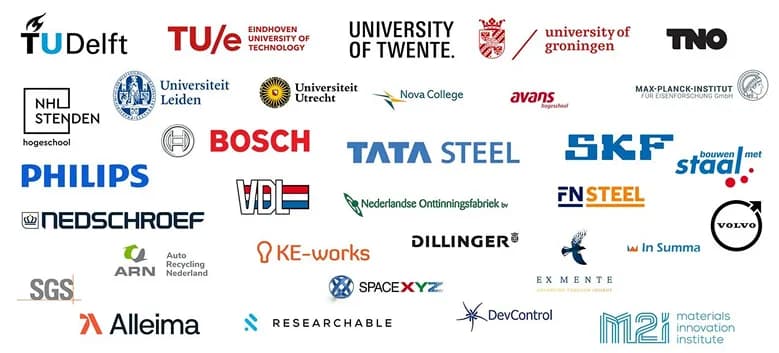
The 'Growing with Green Steel' (GGS) programme is an eight-year initiative that develops solutions to make the steel industry more sustainable. The ultimate goal is to reduce CO₂ emissions to zero and make the life cycle of steel fully circular. 32 partners from across the value chain work together on technological innovations in the production, processing, use and recycling of steel, embedded in the necessary societal changes.
Each month we put one of our consortium partners in the Spotlight and highlight their expertise and specific role within the consortium. This month we focus on Researchable, based in Groningen and one of the partners in Theme IV: Use.
Our Expertise
Researchable is a data innovation agency with extensive experience in building software applications that tackle complex questions and provide new insights and accurate predictions for decision-making. Through data engineering we make data more accessible and more valuable. Thanks to our strong academic and scientific background, we excel in pattern recognition, time series analysis, digital twins, and more. We work securely (ISO27001), in a user-friendly way and always from a scientific basis.
Focus within the GGS programme
We are mainly involved in Demonstrator DEM IV.1 (Stainless steel for consumer products) and also expect to contribute to DEM IV.3 (Sustainable high-grade steel for ball bearings), as well as to the Knowledge Development Project IV.3. Our focus is on data science, data engineering and software engineering within the project. The goal of our work is to generate new knowledge.
Eduard van Pagée, CCO at Researchable
One of our most important contributions is the implementation of digital twins in the production of green steel. Digital twins enable us to simulate, analyse and optimise production processes in real time.
Eduard van Pagée, CCO at Researchable
What are the challenges?
Eduard van Pagée emphasises that one of the biggest challenges is creating digital twins that not only accurately simulate current material processes, but also predict future developments. This requires a combination of deep domain knowledge of the steel industry and advanced data science techniques. In addition, it is essential that these digital twins integrate seamlessly with existing industrial processes.
Another challenge is dealing with large-scale industrial data, since steel production involves many variables.
Eduard van Pagée, CCO at Researchable
Expertise required within the consortium
For a successful implementation of digital twins, collaboration with various partners is essential:
We need expertise in the fields of materials science, process engineering and industrial product development. In addition, partnerships with experts in simulation techniques and AI models are crucial to build realistic and reliable digital models.
Eduard van Pagée, CCO at Researchable
Input from industrial stakeholders is also needed to ensure that digital twins accurately match real production processes.
What do you hope to achieve with the help of the programme?
With the help of the GGS programme, we want to lay a solid foundation for the application of digital twins in the steel industry.
Eduard van Pagée, CCO at Researchable
This project also offers us the opportunity to strengthen our position as a data and technology partner within the industry.
Eduard van Pagée, CCO at Researchable
By using digital twin technology, we aim for:
- Improved process efficiency through AI-driven optimisations
- Reduced energy consumption by testing process adjustments virtually first
- Minimised waste through predictive insights into material performance
- Accelerated adoption of green steel production

Frequently asked questions
What is the 'Growing with Green Steel' (GGS) programme?
It is an eight-year initiative in which 32 partners from across the value chain work together to make the steel industry more sustainable. The goal is to reduce CO2 emissions to zero and make the life cycle of steel fully circular, through innovations in production, processing, use and recycling. The programme is led by the Materials innovations institute (M2i).
What is a digital twin in steel production?
A digital twin is a virtual model with which you simulate, analyse and optimise production processes in real time. In green steel production it enables more efficient and more sustainable production methods, built on machine learning algorithms and AI-driven predictive models.
What is Researchable's role within the GGS programme?
Researchable focuses on data science, data engineering and software engineering within Theme IV (Use). We are involved in Demonstrator DEM IV.1 for stainless steel for consumer products and expect to contribute to DEM IV.3 for sustainable steel for ball bearings and to the Knowledge Development Project IV.3.
How do digital twins help make the steel industry more sustainable?
They let steel producers optimise energy consumption and reduce waste by testing process adjustments virtually first, before they are applied in practice. Predictive insights into material performance improve process efficiency and accelerate the adoption of green steel production.
What is the biggest challenge in building these digital twins?
The biggest challenge is creating a digital twin that not only accurately simulates current material processes, but also predicts future developments. That requires deep domain knowledge of the steel industry, advanced data science and seamless integration with existing industrial processes and large-scale industrial data.